
In January 2025, South African President Cyril Ramaphosa signed into law a bill that allows the state to seize land without compensation. The move has sparked debate across the political landscape and raised questions about what it means for the country’s property market.
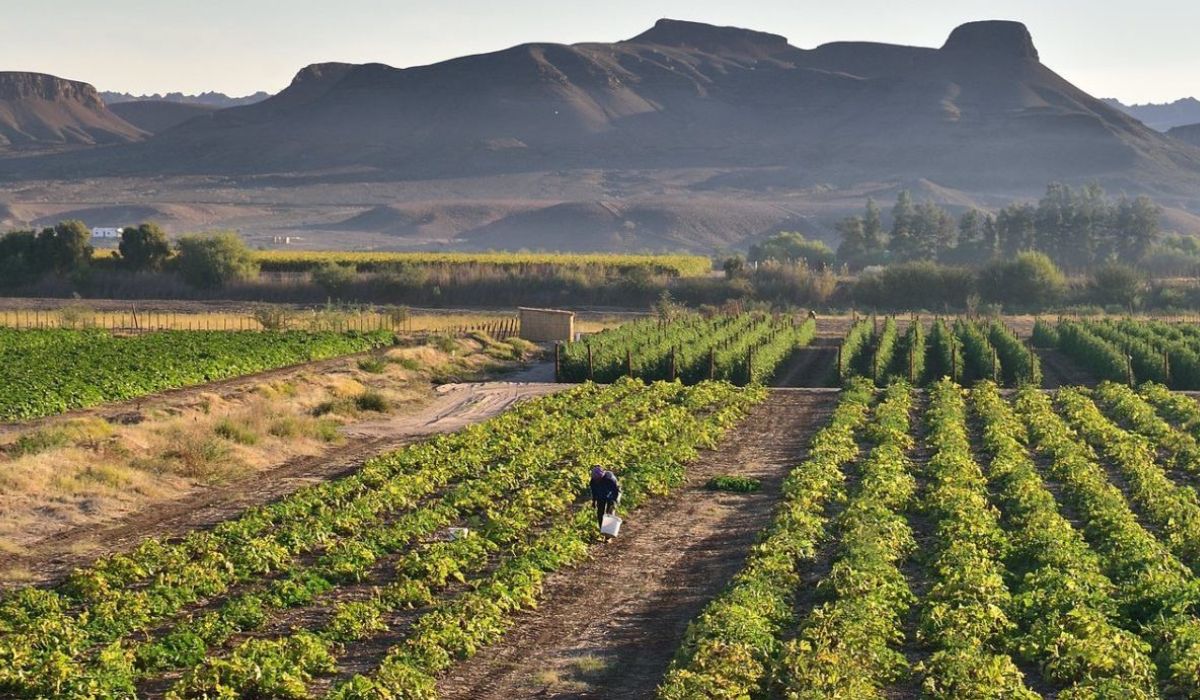
The law aims to address the historic imbalance where black South Africans still own only a small fraction of farmland more than three decades after apartheid ended. While the ruling ANC party views the legislation as a milestone in the country’s transformation, some coalition members have expressed concerns and even threatened legal challenges.
Since the law’s passage, the real estate market has started to feel its effects. There’s been a noticeable slowdown in land sales, especially in rural and agricultural areas, as buyers hesitate amid uncertainty about land ownership and the risk of expropriation without compensation. This has caused some sellers to lower asking prices, while others have held off putting land on the market.

Urban residential property has remained relatively stable so far. Demand for housing, particularly affordable and mid-range homes, continues as cities grow. But developers and lenders are exercising caution. Banks are tightening lending rules, requiring more thorough proof of land ownership before financing projects, which can slow down construction and sales.
Commercial real estate is showing signs of hesitancy, with investors—especially foreign ones—postponing or reconsidering plans in prime areas due to concerns over property rights and regulatory clarity.
Government officials have emphasized that the law prevents arbitrary expropriation and insists on negotiation with landowners before any seizure. However, many in the real estate sector are waiting for clearer rules on how the law will be applied in practice.